
Canterbury’s Top Trauma Treatment Program
Confidential. Compassionate. Available 24/7.


We Understand What You’re Going Through
You or your loved one deserves support, not judgment. We’ve helped thousands reclaim their lives.
Tailored, Compassionate Treatment for Trauma

Heal With Privacy & Focus in Residential Trauma Treatment
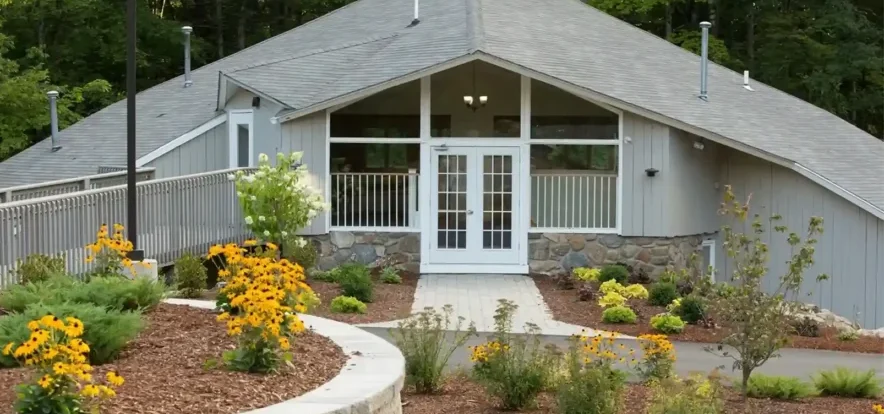
With comfortable, discreet living spaces for residential participants, healing is supervised and structured. Surrounded by nature, individuals can focus on healing without outside disruptions or stress. Blending serenity and therapeutic expertise encourages overall well-being.

Comprehensive Therapies for Wellness and Connectivity
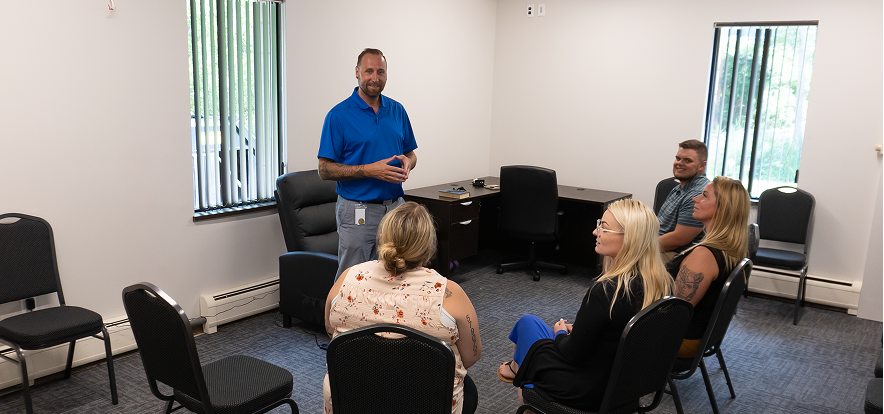
Clinical approaches like cognitive-behavioral therapy (CBT) and motivational interviewing address root causes and reframe negative thinking. Practices like art and yoga build whole-body growth, while group and family sessions promote togetherness and lasting support.

Detailed Evaluations & Medication for Effective Healing
Through thorough assessments, we determine the best combination of treatments for each person’s specific mental health needs. Sometimes this can include tailored medication management to support overall wellness. With a combination of approaches, we ensure safe, personal care.
What Our Patients Say

The staff were caring, compassionate, and knowledgeable. I felt like a person who was treated with respect, love, and care. Sessions were eye opening, coping skills learned invaluable, and the dedication of the medial team to ensure I was properly medicated taking into account my feedback.
Bob, Jesse, Ryan, Kim, Emily, Danielle, Jen, Chelsea, along with so many others are to be commended for their work and genuine interest in seeing clients succeed!
Met some of my best friends at Canterbury!
Also, learned to embody two mantras.
Be Kind to Yourself &. Be Kind to Others. It so much better on this side of the grass!
Love you all,

This place literally saved my life. The staff was so incredibly kind and caring. They go out of their way to ensure you are getting the help you need. I left NFA a better version of myself and now have a toolset to be able to deal with difficulties that arise. I am eternally grateful to everyone there, especially Emily, Danielle and Colleen, for helping me see through to the other side. I would recommend this facility to anyone that is experiencing hardship and needs that next level of care.
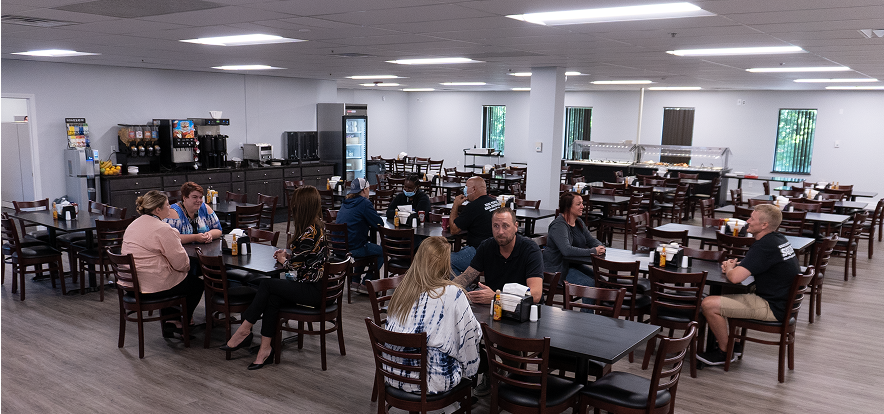
I can’t recommend this place enough,I spent 30 days in residential there and i felt safe, heard and above all not alone. This place really saved my life. The staff are fantastic and helped me through a rough time in my life. My peers were also fantastic and iv made friends for life. The facilities are great (food,living space,classroom) the program their really helped me and I will forever be grateful to everyone who was their through my journey!
Thank you for giving me hope again
THANK YOU! THANK YOU! THANK YOU
I love you all
After the suicide of a close friend, my young adult son was really struggling. We look into several campus style treatment facility options and Canterbury was the most responsive to our inquiries. They were able to get him in quickly and delivered everything they promised. He is doing well now and credits his time in Canterbury with a lot of his success. We would highly recommend this treatment facility to anyone struggling with their mental health.
Most Insurance Accepted


Don’t see your insurance?
Give us a call on (855) 712-7784 or verify insurance and we’ll confirm for you.
The Perfect Place for You to Recover
- Care that meets you where you are. From detox to outpatient, we tailor treatment to your needs, whether starting from scratch or returning to recovery.
- Support every step of the way. Our licensed team and 24/7 medical staff provide care at all levels: detox, residential, PHP, IOP, and sober living.
- Healing spaces, inside and out. Recover in a calm, comfortable environment with on-site gyms, yoga, nature walks, and structured sober living.
- We treat more than addiction. We address mental health and addiction together, including anxiety, PTSD, OCD, and bipolar disorder.
- Family stays part of the process. We involve your loved ones, helping them understand and connect to your journey.
- Life beyond treatment. We teach life skills, build peer support, and help you plan for a future you’re proud of, because recovery doesn’t stop when treatment ends.
Our Facilities



Frequently Asked Questions
What is trauma?
Trauma can happen after an event that feels harmful or threatening to a person’s physical, emotional, or psychological safety. It may come from a single event, such as an accident, natural disaster, violence, or sexual assault.
It can also come from ongoing experiences, such as childhood abuse, neglect, domestic violence, war, or repeated exposure to unsafe situations.
What are the different types of trauma?
Trauma can take several forms. Acute trauma usually results from one sudden, distressing event. Complex trauma develops after repeated or long-term exposure to danger, often starting early in life.
Other forms include secondary or vicarious trauma, which can affect people who witness or support others through traumatic experiences, and intergenerational trauma, which may be passed from one generation to another.
How can trauma affect mental health?
Trauma can have a major impact on emotional and psychological well-being. It may contribute to post-traumatic stress disorder (PTSD), anxiety, depression, dissociation, and substance use concerns.
Some people experience flashbacks, nightmares, intrusive thoughts, avoidance, hypervigilance, loneliness, poor sleep, or feelings of hopelessness. These symptoms can affect daily life, relationships, school, work, and overall well-being.
What are common trauma responses?
Common trauma responses include fight, flight, and freeze. The fight response may show up as aggression, risk-taking, or feeling ready to defend yourself. The flight response may involve fear, panic, avoidance, or wanting to escape reminders of the trauma.
The freeze response can make a person feel numb, stuck, powerless, or unable to act. These reactions are survival responses, but they can become difficult to manage when they continue after the danger has passed.
What coping strategies can help after trauma?
Healthy coping strategies can support healing after trauma. These may include mindfulness meditation, regular exercise, journaling, creative outlets, talking with trusted loved ones, and learning to face emotions safely.
It is also important to avoid using alcohol or drugs to cope, as substances may provide short-term relief but can make trauma symptoms worse over time and increase the risk of addiction.
When should someone seek professional help for trauma?
Someone should consider professional help when trauma symptoms feel overwhelming, interfere with daily life, or contribute to depression, anxiety, dissociation, isolation, sleep problems, or substance use.
Treatment may include therapy, support groups, medication when appropriate, and evidence-based approaches such as cognitive-behavioral therapy (CBT) or Eye Movement Desensitization and Reprocessing (EMDR). Granite Recovery Centers offers holistic, evidence-based support for people dealing with trauma, addiction, and co-occurring mental health concerns.
What is trauma?
Trauma can happen after an event that feels harmful or threatening to a person’s physical, emotional, or psychological safety. It may come from a single event, such as an accident, natural disaster, violence, or sexual assault.
It can also come from ongoing experiences, such as childhood abuse, neglect, domestic violence, war, or repeated exposure to unsafe situations.
How can trauma affect mental health?
Trauma can have a major impact on emotional and psychological well-being. It may contribute to post-traumatic stress disorder (PTSD), anxiety, depression, dissociation, and substance use concerns.
Some people experience flashbacks, nightmares, intrusive thoughts, avoidance, hypervigilance, loneliness, poor sleep, or feelings of hopelessness. These symptoms can affect daily life, relationships, school, work, and overall well-being.
What coping strategies can help after trauma?
Healthy coping strategies can support healing after trauma. These may include mindfulness meditation, regular exercise, journaling, creative outlets, talking with trusted loved ones, and learning to face emotions safely.
It is also important to avoid using alcohol or drugs to cope, as substances may provide short-term relief but can make trauma symptoms worse over time and increase the risk of addiction.
What are the different types of trauma?
Trauma can take several forms. Acute trauma usually results from one sudden, distressing event. Complex trauma develops after repeated or long-term exposure to danger, often starting early in life.
Other forms include secondary or vicarious trauma, which can affect people who witness or support others through traumatic experiences, and intergenerational trauma, which may be passed from one generation to another.
What are common trauma responses?
Common trauma responses include fight, flight, and freeze. The fight response may show up as aggression, risk-taking, or feeling ready to defend yourself. The flight response may involve fear, panic, avoidance, or wanting to escape reminders of the trauma.
The freeze response can make a person feel numb, stuck, powerless, or unable to act. These reactions are survival responses, but they can become difficult to manage when they continue after the danger has passed.
When should someone seek professional help for trauma?
Someone should consider professional help when trauma symptoms feel overwhelming, interfere with daily life, or contribute to depression, anxiety, dissociation, isolation, sleep problems, or substance use.
Treatment may include therapy, support groups, medication when appropriate, and evidence-based approaches such as cognitive-behavioral therapy (CBT) or Eye Movement Desensitization and Reprocessing (EMDR). Granite Recovery Centers offers holistic, evidence-based support for people dealing with trauma, addiction, and co-occurring mental health concerns.